Who Decides Whether the Water Is Safe? Inside the County's Beach Testing Routine
Crews sample the surf at dozens of sites from Imperial Beach to Oceanside. The rain rule every surfer knows — wait 72 hours — has real science behind it.
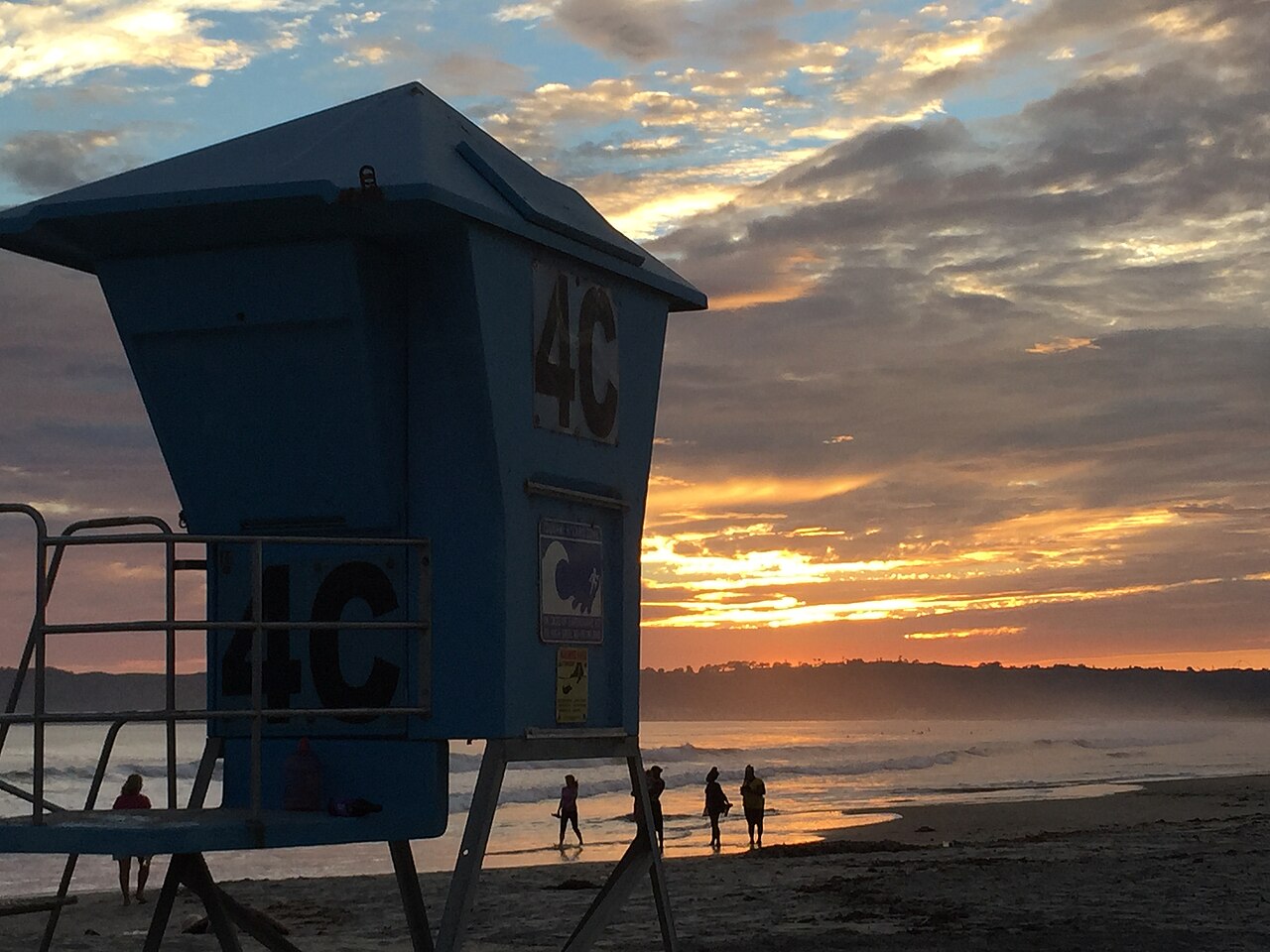
Every week of the year, including the cold ones, county environmental health crews wade into the surf along San Diego County's 70-plus miles of coastline and fill sample bottles. The County Department of Environmental Health and Quality tests ocean and bay water at dozens of monitored sites for bacterial indicators, and posts the results — open, advisory, or closed — on its Beach & Bay Water Quality Program pages and on signs at the sand itself.
The logic of the system is straightforward. The bacteria themselves that are measured are mostly indicators — stand-ins for the pathogens that can ride along in polluted runoff. When counts exceed state health standards, the county posts an advisory (avoid water contact) or, for sewage spills, a closure, which is legally enforceable and comes with the lifeguards' loudspeakers.
The rule surfers repeat — stay out for 72 hours after rain — comes straight from the program. Storm runoff is the county's single biggest water-quality problem: the first flush of a storm washes streets, canyons, and river mouths into the surf at once, and bacterial levels spike for roughly three days before sun and salt water bring them down. In a dry November the water is usually clean; the first real storm of the season changes the math overnight.
The south county shoreline carries an extra burden. Beaches from Imperial Beach north toward Coronado have endured recurring closures tied to cross-border flows in the Tijuana River valley — a binational infrastructure problem that local, state, and federal agencies have been working, and residents have been living with, for decades.
For swimmers, the routine is simple: check the county's current status map before you go, heed posted signs at river mouths and storm drains in all weather, and give the ocean its three days after a storm. The testing is done whether anyone checks or not — but it works best when someone does.