Balboa Park Settles Into Its Autumn Rhythm — and Gears Up for December Nights
The exposition palaces of 1915 still anchor the park's daily life: free organ concerts, museum courtyards, and the slow build toward the biggest weekend of the park's year.
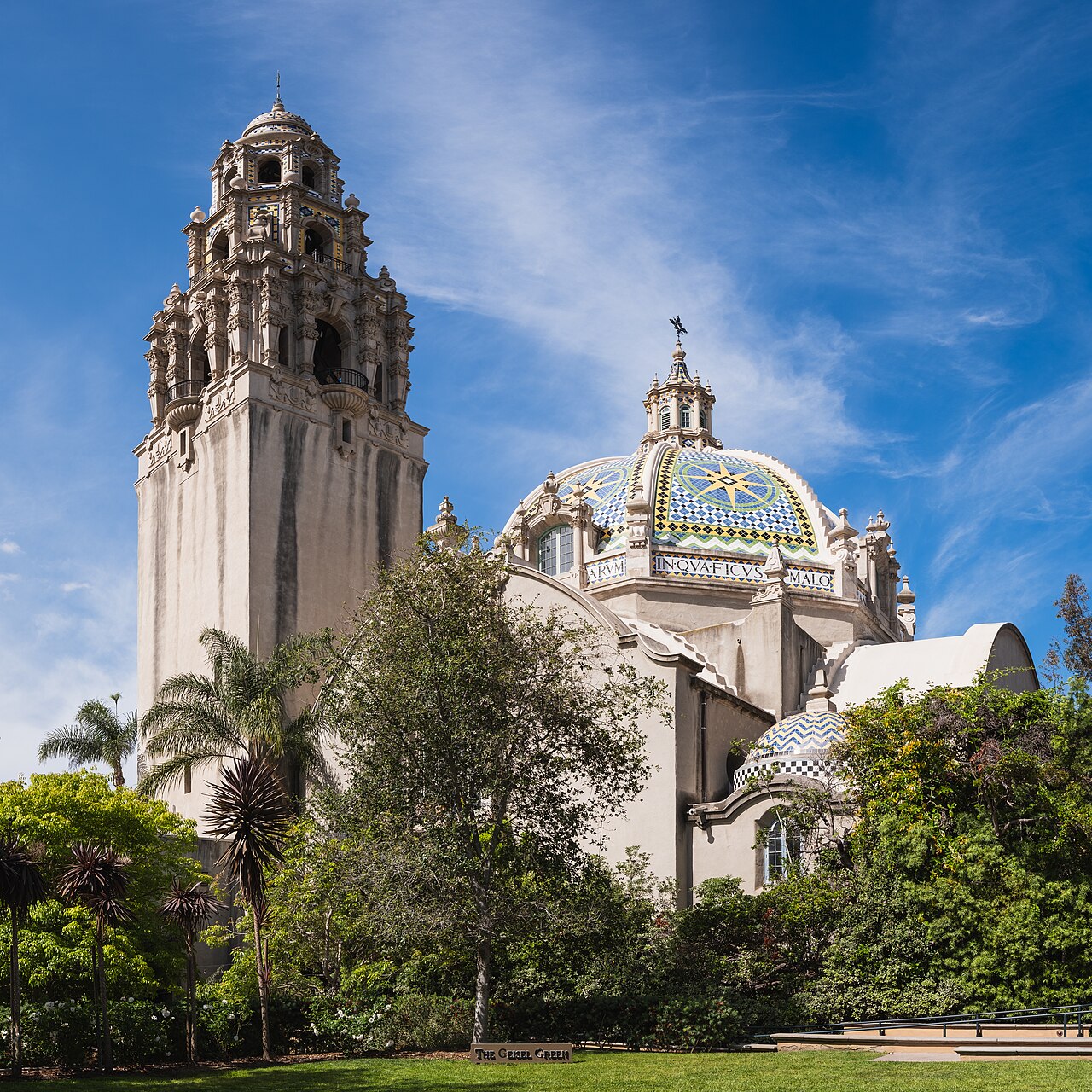
There are bigger urban parks in America, but few carry their history as visibly as Balboa Park. The Spanish Colonial Revival towers and domes along El Prado were built for the Panama-California Exposition of 1915, which celebrated the opening of the Panama Canal and put San Diego — the first U.S. port of call north of the canal — on the map. A century later the same buildings house the park's museums, theaters, and the San Diego Zoo at its northern edge.
Daily life in the park runs on routines locals know by heart. The Spreckels Organ Pavilion, home to one of the largest outdoor pipe organs in the world, hosts free concerts by the city's civic organist on Sunday afternoons — a tradition that stretches back to the exposition itself. The Japanese Friendship Garden winds down its canyon below, and the lily pond in front of the Botanical Building remains the park's most photographed postcard.
November is the park's hinge month. The summer crowds are gone, the gardens get their fall plantings, and the museums along El Prado settle into school-year programming — field trips on weekday mornings, free resident Tuesdays rotating through the museums on their long-standing schedule.
All of it builds toward December Nights, the two-day holiday festival held on the first Friday and Saturday of December, when the museums open their doors free in the evening and the park draws some of the largest crowds of its year. Vendors, choruses, and the international cottages of the House of Pacific Relations all take part.
For a newcomer, the park's 1,200 acres can blur together. Regulars suggest starting the way the exposition crowds did: walk El Prado from the Cabrillo Bridge to the organ pavilion, and let the side canyons — Palm Canyon, the cactus and rose gardens — pull you off the main line. The architecture was designed to be a world's fair. A hundred years on, it still works like one.