Sixteen Blocks of Gaslight-Era Ironwork: An Evening Walk Through the Gaslamp Quarter
San Diego's historic heart was nearly lost to demolition. The district that survived is now the region's densest concentration of Victorian commercial architecture.
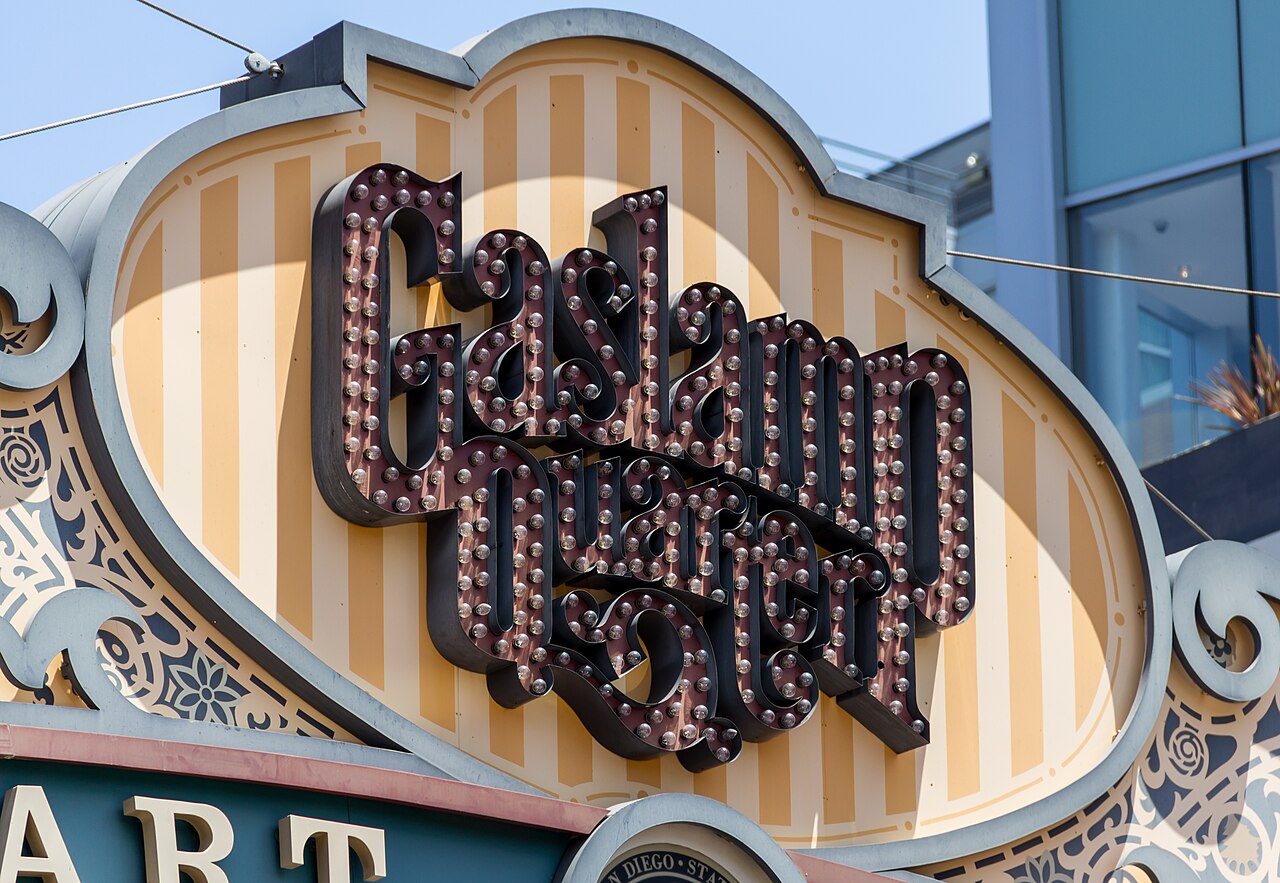
The sign arching over Fifth Avenue announces the Gaslamp Quarter, but the district's real signature is at street level: sixteen and a half blocks of brick and cast-iron storefronts built between the 1860s and the early 1900s, when this was the commercial core of a young port city. More than ninety historic structures survive in the district, which is listed on the National Register of Historic Places.
The quarter's founder figure is William Heath Davis, who arrived in 1850 and tried to build a 'New Town' near the bay — San Diego's second founding, after the original settlement up the hill in what is now Old Town. Davis's wharf and townsite stalled, and the boom that filled these blocks came a generation later with Alonzo Horton, whose name still marks Horton Plaza's corner of the story.
By the mid-twentieth century the Gaslamp was skid row — rooming houses, pawn shops, and bars — and much of it was slated for clearance. Preservationists organized in the 1970s, formed the Gaslamp Quarter Association, and pushed the district toward the restaurants-and-nightlife identity it carries today, with the Victorian facades restored rather than replaced.
The result is a working lesson in reading buildings. Bay windows and bracketed cornices mark the 1880s boom years; the Keating Building's Romanesque mass anchors Fifth and F; the Louis Bank of Commerce, finished in 1888, once held the city's first granite construction — and, in local lore, an oyster bar favored by Wyatt Earp during his San Diego years.
Evenings are the district's native hour, when the replica gas lamps that give it its name come on. Walk it slowly, look up above the awnings, and the quarter reads the way its builders intended: a frontier port showing off.